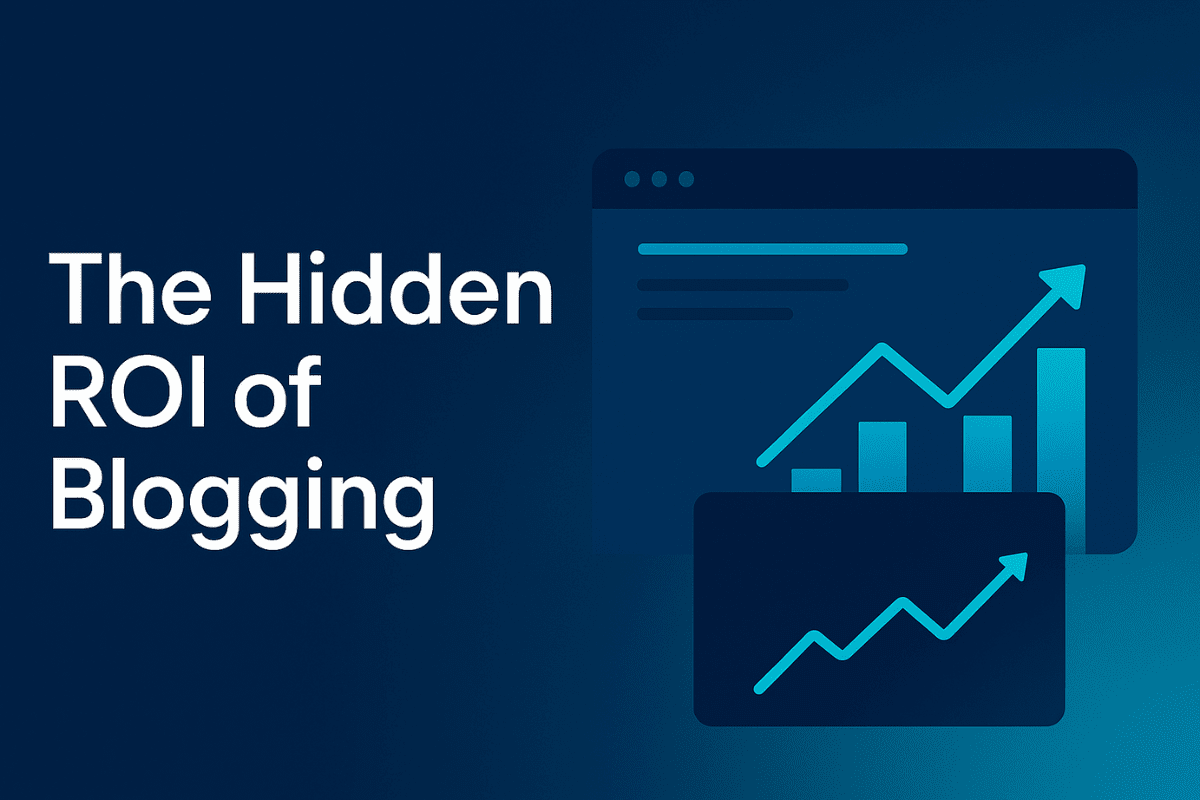
Blogging Isn’t Dead—It’s Evolving
When most small business owners hear “blogging,” they think of personal diaries from the early 2000s. But blogging today is a strategic digital marketing tool that fuels growth, brand visibility, and customer trust. For small businesses, blogging isn’t just about publishing words online—it’s about driving measurable results that often go unnoticed.
The challenge is that blogging ROI doesn’t always show up in immediate sales. Instead, it builds over time, creating compounding returns in search rankings, customer engagement, and authority. If you’ve ever wondered whether blogging is “worth it,” this article will uncover the hidden ROI of blogging for small businesses—and why it should be part of your growth strategy.
Want to unlock the ROI of blogging for your business? Contact Charley Grey today to explore managed website subscriptions with built-in blog content.
Why Blogging Matters for Small Business Growth
For small businesses, competing online is no longer optional—it’s survival. Customers search for solutions every day, and businesses with helpful content rise to the top. A small business blog acts like your 24/7 salesperson, answering questions and building trust before you even talk to a customer.
Unlike ads that stop the moment you stop paying, blog content keeps working. A single blog post can generate leads and traffic for years if it’s optimized for search engines. That means a blog is more than marketing—it’s a long-term investment.
Blogging and the Digital Marketing ROI Equation
Every business owner wants to know: What’s the return on my investment? When it comes to blogging, ROI is measured in multiple ways:
- Traffic Growth: Blog posts improve SEO and increase visibility in Google searches.
- Lead Generation: Content attracts potential customers at different stages of their journey.
- Sales Enablement: Blogs answer objections, making it easier for prospects to say yes.
- Brand Authority: Sharing expertise positions you as a trusted leader in your field.
If you’ve ever used a digital marketing ROI calculator, you know that return isn’t always immediate. Blogging builds value steadily, stacking benefits that compound over time.
The Long-Tail SEO Advantage of Blogging
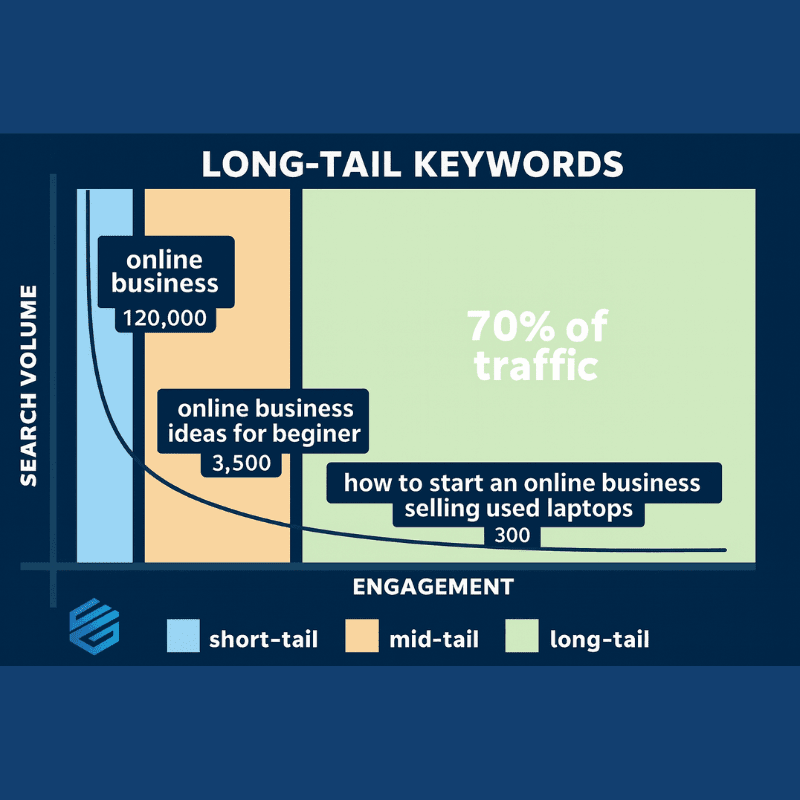
Most small business owners try to rank for competitive keywords like “dental implants” or “online business.” The problem? Big companies with massive budgets dominate those terms.
Blogging gives you an edge through long-tail keywords—specific, lower-competition phrases like “how long do dental implants last”, or “how to start an online business selling used laptops.” These search queries may not bring thousands of visits overnight, but they attract highly motivated buyers.
With consistent blog posts targeting long-tail keywords, you build a web of content that drives steady, qualified traffic. That’s where the hidden ROI lives—sustainable visibility that paid ads can’t replicate.
Blogging ROI for Small Business: A Real Example
Imagine a local plumbing company that writes a blog titled: “10 Signs You Need a Professional Drain Cleaning.”
The blog ranks in Google within three months.
It brings in 500 visits a month.
If even 5% of those visitors call for service, that’s 25 new leads.
At an average ticket of $300 per job, the blog generates $7,500 per month.
One blog. Thousands in revenue. And it keeps delivering month after month without additional ad spend. That’s the blogging ROI for small business in action.
Blogging Builds Trust Before Sales
In today’s digital-first world, buyers research before they buy. They read reviews, compare options, and seek advice online. A small business blog positions you as the advisor they trust.
When your content answers their questions, you’re no longer just a vendor—you’re a guide. This trust accelerates the sales process because customers feel confident you understand their problems. And confident customers buy faster.
The Compounding Effect of Blogging
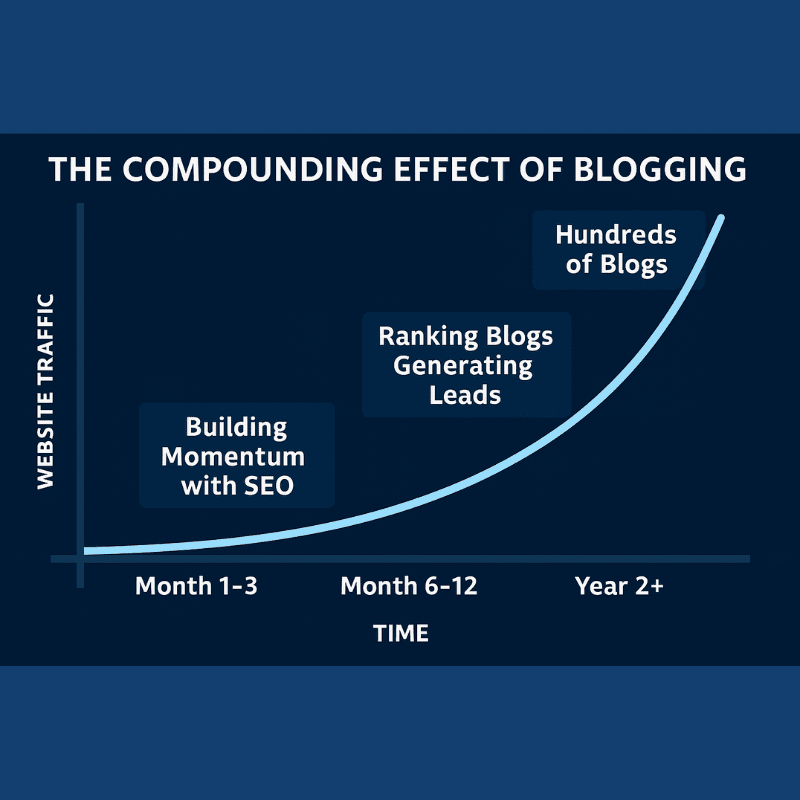
Blogging ROI grows like compound interest. At first, you publish a few posts and traffic trickles in. But over time, every new blog adds to your digital footprint.
- Month 1-3: You’re building momentum with SEO.
- Month 6-12: Multiple blogs are ranking and generating leads.
- Year 2+: Hundreds of blogs act as an organic lead engine.
This compounding effect means that even if you pause new blogs, the content you’ve already published continues working. Very few marketing tactics provide this kind of residual value.
Stop missing out on compounding growth. Talk to Charley Grey about a subscription website with ongoing blog content.
How Blogging Improves Other Marketing Channels
Blogging isn’t just about SEO—it powers your other marketing strategies, too:
- Email Marketing: Blogs provide content to share with your subscriber list.
- Social Media: Blog snippets can be repurposed for posts and ads.
- Sales Teams: Blogs answer FAQs, reducing repetitive conversations.
- Paid Ads: Landing pages backed by blog content convert better.
In other words, every dollar you invest in blogging amplifies your entire marketing ecosystem.
Measurable Blogging ROI: What to Track
To truly understand the ROI of blogging, small businesses need to measure the right metrics:
- Organic Traffic: How many people find your blog through Google?
- Keyword Rankings: Are your blogs climbing in search results?
- Lead Conversions: How many form fills, calls, or sign-ups come from blog pages?
- Engagement: Time on page, bounce rate, and scroll depth.
- Revenue Attribution: Connecting blogs to customer purchases.
Modern tools make this easier than ever. Even a digital marketing ROI calculator can help you see the long-term gains from consistent blogging.
Blogging vs. Paid Ads: Where ROI Really Shines
Paid ads deliver quick results but stop the second you pause campaigns. Blogging is slower to start but pays dividends for years. The most effective strategy? A balance of both.

Think of ads as the sprint and blogs as the marathon. Ads get immediate attention, while blogs provide enduring visibility and authority. Together, they create a powerful growth engine.
Overcoming the “I Don’t Have Time to Blog” Objection
Business owners are busy, and blogging often feels like a low priority. But here’s the truth: not blogging costs you money in the long run.
When you leave blogging behind, you hand traffic, leads, and authority to competitors who are publishing regularly. Fortunately, you don’t have to write blogs yourself. Agencies like Charley Grey offer managed website subscriptions with professional blogging services, so you can focus on running your business.
Blogging ROI: Hidden But Measurable
The ROI of blogging may not scream at you on day one, but it’s there—working quietly in the background. Every blog builds authority, attracts search traffic, and nurtures future customers.
For small businesses, blogging is one of the most cost-effective ways to stay competitive. Unlike one-off ads or outdated websites, blogs scale with your business and continue paying off for years.
Ready to see the hidden ROI of blogging for your small business? Get in touch with Charley Grey and let’s turn your website into a lead-generating machine.
Blogging as a Growth Multiplier
The question isn’t whether blogging works—it’s whether your business can afford to ignore it. A well-managed blog is a growth multiplier, improving SEO, boosting authority, and feeding every other marketing channel.
For small businesses especially, the ROI of blogging is often hidden at first—but undeniable over time. By investing in consistent, quality blog content, you create a long-term engine for visibility, trust, and revenue.
With a subscription website model and professional blogging support, Charley Grey makes it simple to harness this hidden ROI without the stress of managing it yourself.